Bacteria on the International Space Station adapted to that environment but haven’t become more harmful
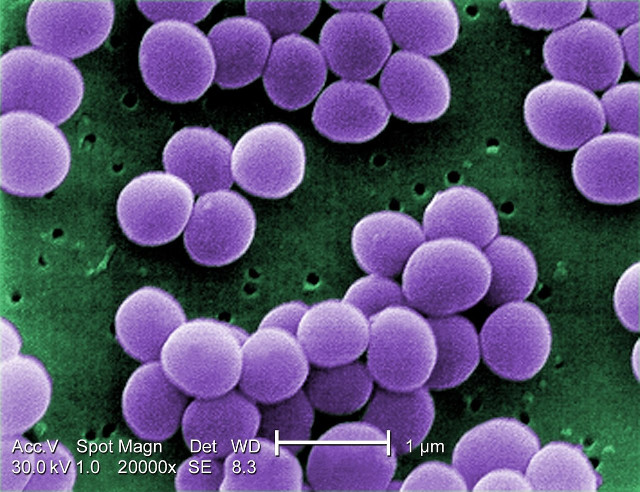
An article published in the journal “mSystems” describes a research on the adaptations of bacteria of the species Bacillus cereus and Staphylococcus aureus found on the International Space Station. A team of researchers led by Erica Hartmann of Northwestern University compared 189 genomes isolated from various origins to understand the influence of what are called built environments, human products that modify the natural environment. In the Station’s case, it’s an extreme environment and yet no dangerous mutations were detected such as resistance to antibiotics but they developed adaptations to difficult conditions.
