Sahelanthropus tchadensis may have been bipedal 7 million years ago
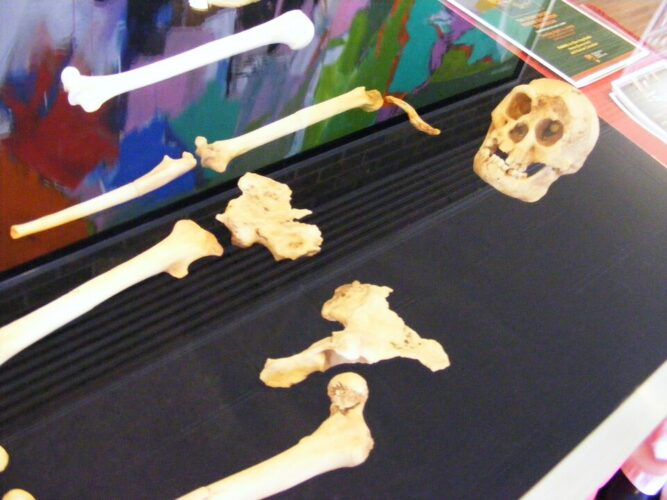
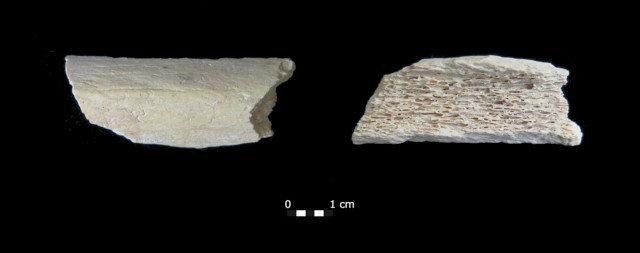
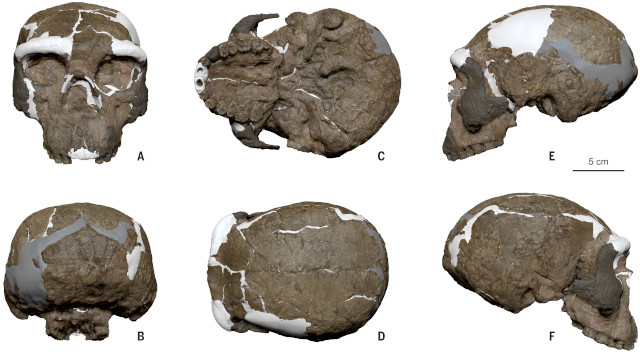
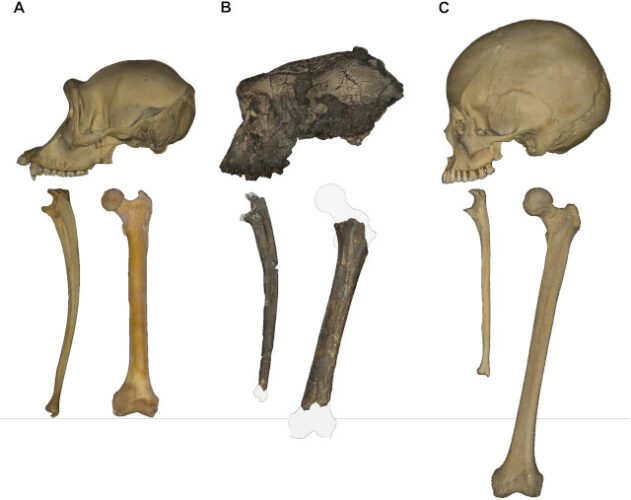
An article published in the journal “Science Advances” reports the results of a study concluding that Sahelanthropus tchadensis was capable of walking on two legs approximately 7 million years ago. A team of researchers examined available fossils of this early hominin, using analyses that included 3D modeling, concluding that its species had many ape-like characteristics with some adaptations for bipedalism.