An article published in the journal “Current Biology” reports the results of a genetic research on 118 ethnic groups living in the Philippines which indicated that in the Aeta, or Ayta, people and in particular in the Aeta Magbukon ethnic group there is the greatest concentration found so far of genes inherited from the Denisovans, the human species whose remains identified with certainty have been discovered mainly in Siberia. A team of researchers conducted this genetic research within a collaboration between the Swedish University of Uppsala, the National Commission for Culture and the Arts of the Philippines (NCCA), and various indigenous communities. The results show an ancient interbreeding between the Aeta and the Denisovans.
The excellent conservation of Denisovan bones discovered in Siberia made it possible to extract DNA, opening a new line of genetic research because in recent years various studies on populations of modern humans found traces of ancient interbreedings with the Denisovans. Especially in Southeast Asia, several traces of that type have been found. For example, people with a significant amount of genes inherited from the Denisovans have been found in Papua New Guinea.
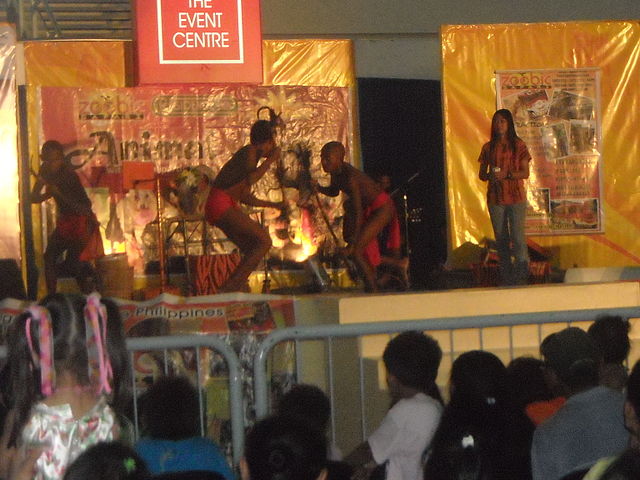
This new genetic research focused on the Aeta population (photo ©FoxLad), which today inhabits the island of Luzon, the largest in the Philippines. They’re among the oldest inhabitants of the Philippines if not the earliest and have a complex history which among other things includes the division into a number of ethnic groups that have various differences in language and culture. The Aeta Magbukon are one of the various ethnic groups that are part of this population.
Studies involving populations in Southeast Asia already reported that they have Denisovans genes, for example, the one published in the journal “Genome Biology and Evolution” in August 2017. The new study published in “Current Biology” indicates that the Aeta Magbukon have about 5% of their DNA inherited from the Denisovans, 30-40% higher than the peaks found in the current inhabitants of Papua New Guinea and up to a hundred times higher than the average of the inhabitants of mainland Asia.
The Denisovan gene spike in the Aeta Magbukon suggests an interbreeding with this ethnicity of modern humans in the Philippines. This is another confirmation that the Denisovans made migrations that were independent of those of Homo sapiens and Neanderthals and over time these three species met and interbred several times.
Further sequencing of people belonging to various Southeast Asian ethnicities will offer more information on the interbreedings between Homo sapiens and Denisovans. With very few fossils attributed with certainty to the Denisovans, genetics is, for now, the only way to understand the history of this species and its links with modern humans.
