
On November 12, 1990, Tim Berners-Lee, with the help of computer engineer Robert Cailliau, published a formal proposal to carry out a hypertextual project called “WorldWideWeb”.
The concept of hypertext had already been developed in various ways during the previous decades. Working at CERN, Tim Berners-Lee meant to create a version that could facilitate the exchange of information among researchers. The base of the project consisted in combining hypertexts and the already existing Internet technologies to create a system that contemplated links that could be just unidirectional.
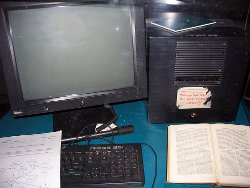
The next months saw the creation of the software needed to make this revolutionary project work: the first web server (picture ©Coolcaesar) and the first web browser, which had an incorporated web editor.
There are other important dates in the history of the World Wide Web: for example on August 6, 1991 Tim Berners-Lee published on the newsgroup alt.hypertext a summary of his project opening it to the public and on April 30, 1993 CERN announced that the World Wide Web would be free for anyone, with no licence costs for the use of its protocols, giving everyone the chance to create their own web pages and reach all the world.
Many other events marked the development of the World Wide Web, from the creation of the graphic browser Mosaic to the foundation of the World Wide Web Consortium but all of that is based on the protocols born from the formal proposal written twenty years ago, which had effects that led to a huge development of the Internet and changed the world.

Permalink
Permalink