Biology

A remarkable diversity of microorganisms discovered in one of Yellowstone springs

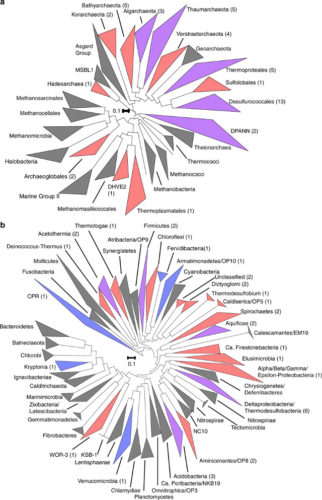
An article published in the journal “Nature Communications” reports the discovery of a diversity never encountered before in the microorganisms found in one of the hot springs of Yellowstone National Park, in the USA. A team of researchers from Montana State University (MSU) used genomic tools to examine the microbial community in the source called Smoke Jumper 3 (SJ3), discovering both bacteria and Archaea that represent about half of the known branches of these domains of life. It’s an extraordinary discovery because understanding which geological and biological processes can lead to such diversity can provide new information on the reasons why certain life forms can emerge and thrive.

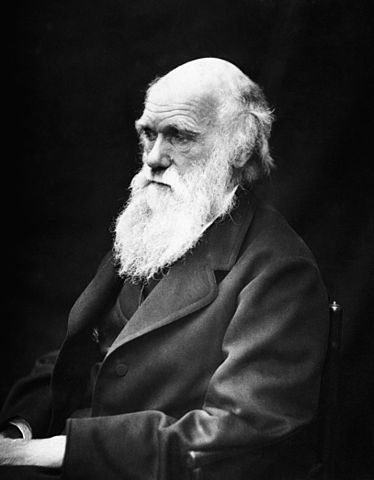
Charles Darwin in 1869

Charles Robert Darwin was born on February 12, 1809 in Shrewsbury, England. In 1831 Charles Darwin received a proposal to participate in an expedition of the ship Beagle as a naturalist. Initially he refused, partly because of his father’s perplexities concerning the long duration of the trip and the lack of retribution but, also due to the intervention of his maternal uncle Josiah, he ended up accepting and on December 27, 1831 he set off on the Beagle for a journey that lasted almost five years.

During the Beagle’s journey, Charles Darwin noticed that on each island of the Galápagos archipelago there were different species of turtles and birds that had various similarities and various specific characteristics. Those were among the key observations for what became the theory of evolution. During those years he also collected other observations not only on flora and fauna but also on the geology of the places he surveyed, which were the basis of various scientific essays that were published in the following years.

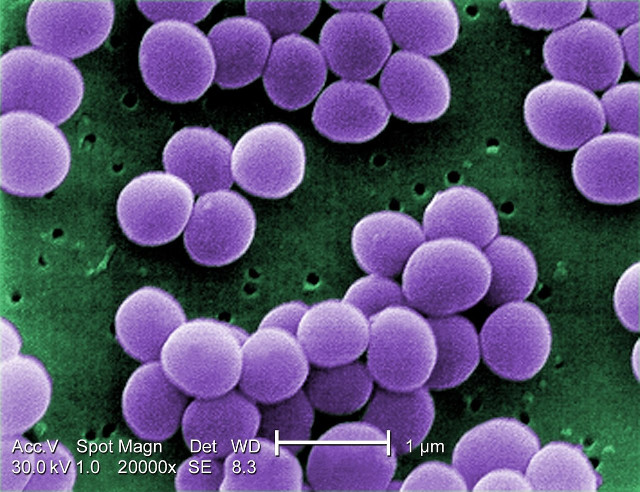
Staphylococcus aureus (Image Centers for Disease Control and Prevention's Public Health Image Library (PHIL))

An article published in the journal “mSystems” describes a research on the adaptations of bacteria of the species Bacillus cereus and Staphylococcus aureus found on the International Space Station. A team of researchers led by Erica Hartmann of Northwestern University compared 189 genomes isolated from various origins to understand the influence of what are called built environments, human products that modify the natural environment. In the Station’s case, it’s an extreme environment and yet no dangerous mutations were detected such as resistance to antibiotics but they developed adaptations to difficult conditions.

Unmodified plants (left) grow beside modified plants (right) (Photo courtesy Claire Benjamin/RIPE Project)

An article published in the journal “Science” reports the experimentation of the use of a genetic technique to increase the efficiency of plant photosynthesis. A team of researchers led by the molecular biologist Paul South of the US Agricultural Research Service carried out this experimentation within the Realizing Increased Photosynthetic Efficiency (RIPE) project, which has exactly this purpose to improve the sustainability of agricultural crops and increase land productivity. Modified plants increased their growth by 40%.

Hair bulb and extremity (Image Sly.cooper91)

An article published in the journal “Nature Communications” describes a genetic research on the origin of the various hair colors in human beings. A team of researchers led by professors Ian Jackson and Albert Tenesa of the Scottish University of Edinburgh studied the hair-related genetic characteristics of 343,234 people who took part in the UK Biobank study, mainly linked to health research. Among the findings there are eight new genetic variants linked to red hair and variants of nearly 200 genes associated with blonds and brunettes.