

Space probes

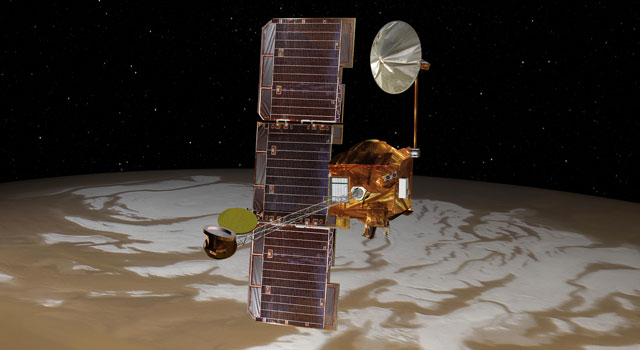
The Mars Odyssey space probe is resuming its activities


The Space Telescope NuSTAR was successfully launched
Yesterday, when it was morning in the Pacific Ocean, the Space Telescope NuStar (Nuclear Spectroscopic Telescope Array) was launched and successfully entered orbit. NuStar will use a Wolter telescope, a telescope for high energy X-rays (6 to 79 keV) using grazing incidence optics. This is because X-rays can be deflected and focused only with small angles, unlike visible light.

Dusty plasma found near Saturn moon Enceladus
Enceladus, one of Saturn’s moons, has been studied in recent years by the Cassini space probe. Recently it was talked about for the extraordinary jets of water and ice that rise up from the south polar region of Enceladus, because Cassini detected organic materials. The scientists, however, also focused their attention on dusty plasma, a condition observed for the first time, that those jets contain.

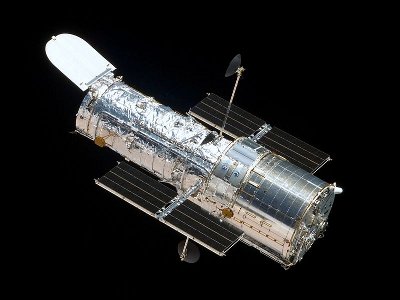
Two ex spy satellites donated to NASA
The National Reconnaissance Office (NRO), an intelligence service of the U.S.A. whose specific purpose is to design, build and manage American spy satellites, has donated two spy telescopes to NASA. It seems that the NRO contacted NASA last year to see if there was a chance for the two satellites to be turned into scientific instruments instead of being dismantled.
