
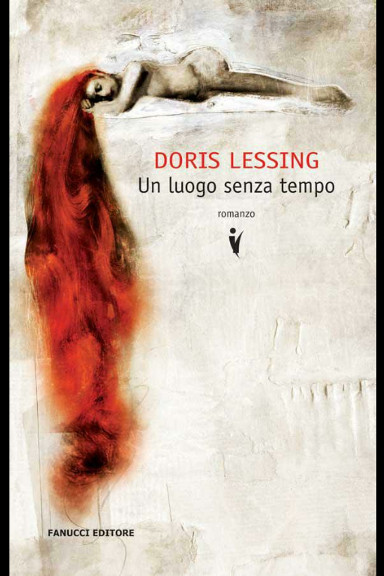
The novel “The Making of the Representative for Planet 8” by Doris Lessing was published for the first time in 1982. It’s the fourth novel of the Canopus in Argos series and follows “The Sirian Experiments“.
Planet 8 has been a utopia for centuries thanks to the ideal environmental conditions for the life of the sentient species that inhabits it. However, when the planet suddenly enters an ice age, the conditions change dramatically within a few decades, and many planetary life forms are struck hard.
Doeg is one of the Representatives of Planet 8 who, among other things, acts as an intermediary with the agents of Canopus who arrive on their world. According to Canopus’ plans, the inhabitants of Planet 8 will be transported to the planet Rohanda to join the race that already inhabits it, so why don’t their spaceships arrive? Johor, a Canopus agent, arrives to explain what happened.
“The Making of the Representative for Planet 8” focuses on a specific story, told in the first person by Doeg, one of the Representatives of the sentient species that inhabits Planet 8, one of the colonies of the Canopus empire. There are various connections with the other novels in the series and reading them all offers a bigger picture of that fictional universe but the story is autonomous.
The novel is narrated as a kind of account by Doeg. It’s not structured, in the sense that it carries a continuous flow of thoughts, not like a canonical literary work that is divided into chapters. There are no precise time references either but this is normal within this cycle. This choice gives the idea of a tale coming from the protagonist but makes it a bit difficult to read.
The protagonist quickly explains what happened to Planet 8 and starts telling a personal experience of the planet’s people’s situation as they’re struck hard by the ice age. In a long afterword, Doris Lessing talks about the inspiration she got from Robert Scott’s expedition to Antarctica.
The story told exclusively by Doeg makes this novel shorter than the previous ones in the series, even more when thinking about the long afterword. Some reflections of the protagonist are personal, such as the ones concerning the individuality in which, pushed by Johor, Doeg wonders about being chosen as a Representative instead of someone else. Some concern the possible fate of Planet 8’s people, as life has become increasingly hard and among the consequences is what can be considered the loss of innocence. Others concern the relationship with Canopus and the consequences of what Doeg learned thanks to Canopus’ supervision on the inhabitants of Planet 8.
Some parts of the novel can be hard to read because Doeg talks about the increasingly harsh conditions under which the inhabitants try to survive. They used to be vegetarians but have to adapt to eating the animals that in turn adapt to new conditions in a diet that becomes poorer over time. Doeg’s story makes the reader feel the growing difficulties with the cold that affects people despite the heavy clothes and the feeling of dizziness that derives from it and adds to that due to progressive malnutrition.
“The Making of the Representative for Planet 8” gave me mixed feelings, even more so than the previous novels in a cycle in which Doris Lessing developed themes she was interested in with a style that is very personal and not always easy to appreciate. This novel’s uninterrupted narrative flow adds to the feeling that it’s a “jumble” of elements. You should also keep in mind that certain allegories reflect the author’s philosophical ideas, especially in the novel’s ending. In my opinion, if you appreciate this cycle, you might like this novel.
